
Exploring Unique Vedic Astrology Insights: Distinctive Features of Vedic Astrology

Vedic astrology, also known as Jyotish Shastra, is an ancient Indian system of astrology that has been practiced for thousands of years. It offers a profound understanding of human life and the cosmos by interpreting the positions of celestial bodies at the time of birth. Unlike Western astrology, Vedic astrology has unique features that make it a powerful tool for self-awareness, decision-making, and spiritual growth. This article explores the distinctive aspects of Vedic astrology, providing practical insights and examples to help you appreciate its depth and relevance.
The Foundation of Unique Vedic Astrology Insights
Vedic astrology is deeply rooted in the Vedas, the oldest sacred texts of India. It is based on the sidereal zodiac, which measures the actual positions of stars and constellations, unlike the tropical zodiac used in Western astrology that is aligned with the seasons. This difference in zodiac systems leads to variations in planetary placements and interpretations.
One of the unique features of Vedic astrology is its emphasis on the lunar mansions or Nakshatras. The moon's position in one of the 27 Nakshatras at birth plays a crucial role in shaping an individual's personality and destiny. Each Nakshatra has specific attributes, ruling deities, and symbolic meanings that add layers of depth to the astrological reading.
For example, a person born under the Rohini Nakshatra is believed to be creative, passionate, and nurturing, while someone born under Ashwini Nakshatra is energetic, adventurous, and pioneering. This detailed lunar analysis provides a more nuanced understanding of character traits and life patterns.

How Unique Vedic Astrology Insights Influence Life Predictions
Vedic astrology offers precise predictions about various aspects of life, including career, relationships, health, and spirituality. One of its distinctive tools is the Dasha system, which divides a person's life into planetary periods. Each period is ruled by a specific planet, influencing the events and experiences during that time.
For instance, during the Venus Dasha, an individual might experience growth in love, creativity, and financial prosperity, while the Saturn Dasha could bring challenges, discipline, and lessons in patience. This system allows astrologers to forecast life phases with remarkable accuracy.
Another important feature is the use of divisional charts or Vargas. These charts provide detailed insights into specific areas of life by dividing the main birth chart into smaller segments. For example, the Navamsa chart focuses on marriage and relationships, while the Dasamsa chart relates to career and professional achievements.
By analyzing these charts together, Vedic astrologers can offer comprehensive guidance tailored to an individual's unique life path.
The Role of Remedies and Spiritual Practices in Vedic Astrology
One of the most practical aspects of Vedic astrology is its focus on remedies to mitigate negative planetary influences. These remedies are designed to harmonize cosmic energies and improve life circumstances. They include:
Mantras: Chanting specific sounds or prayers associated with planets.
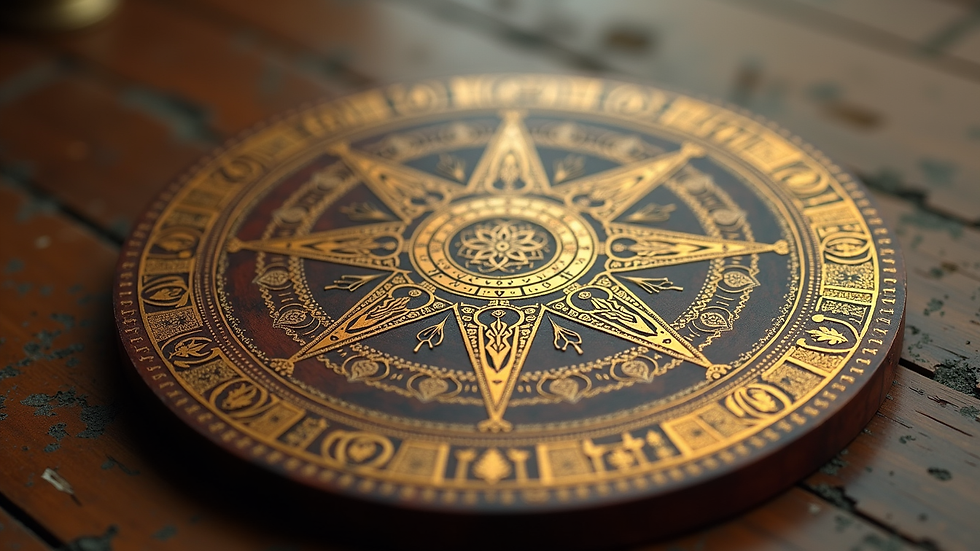
Yantras: Sacred geometric diagrams used for meditation and energy balancing.
Gemstones: Wearing stones linked to favorable planets to enhance positive effects.
Pujas and rituals: Performing ceremonies to appease planetary deities.
For example, if Mars is causing difficulties in a person's chart, wearing a red coral gemstone or chanting the Hanuman mantra might help reduce its malefic effects. These remedies are personalized based on the individual's horoscope and planetary positions.
Vedic astrology also encourages spiritual growth through meditation, ethical living, and self-awareness, making it a holistic system that integrates cosmic wisdom with practical life solutions.
Practical Applications of Vedic Astrology in Modern Life
In today's fast-paced world, Vedic astrology remains relevant by offering actionable advice for personal and professional growth. Here are some practical ways to use its insights:
Career Planning: By analyzing planetary positions and dashas, one can identify favorable periods for job changes, business ventures, or skill development.
Relationship Compatibility: Matching horoscopes using Nakshatras and planetary alignments helps in understanding compatibility and potential challenges in partnerships.
Health Awareness: Certain planetary influences can indicate susceptibility to specific health issues, allowing for preventive care and lifestyle adjustments.
Financial Management: Timing investments and financial decisions according to auspicious planetary periods can enhance success.
Spiritual Development: Personalized meditation and mantra practices based on one's chart support inner peace and self-realization.
For those interested in a deeper understanding, a professional vedic astrology reading can provide tailored guidance and clarity.
Embracing the Wisdom of Vedic Astrology for a Balanced Life
Vedic astrology is more than just a predictive tool; it is a comprehensive system that connects the individual with the universe. Its unique features, such as the sidereal zodiac, Nakshatras, Dasha system, and remedial measures, offer profound insights into the human experience.
By embracing these ancient teachings, one can navigate life's challenges with greater awareness and confidence. Whether you seek answers about your career, relationships, health, or spiritual path, Vedic astrology provides a roadmap to harmony and fulfillment.
Exploring these unique Vedic astrology insights can open new doors to self-discovery and empower you to live a balanced and meaningful life.


Comments